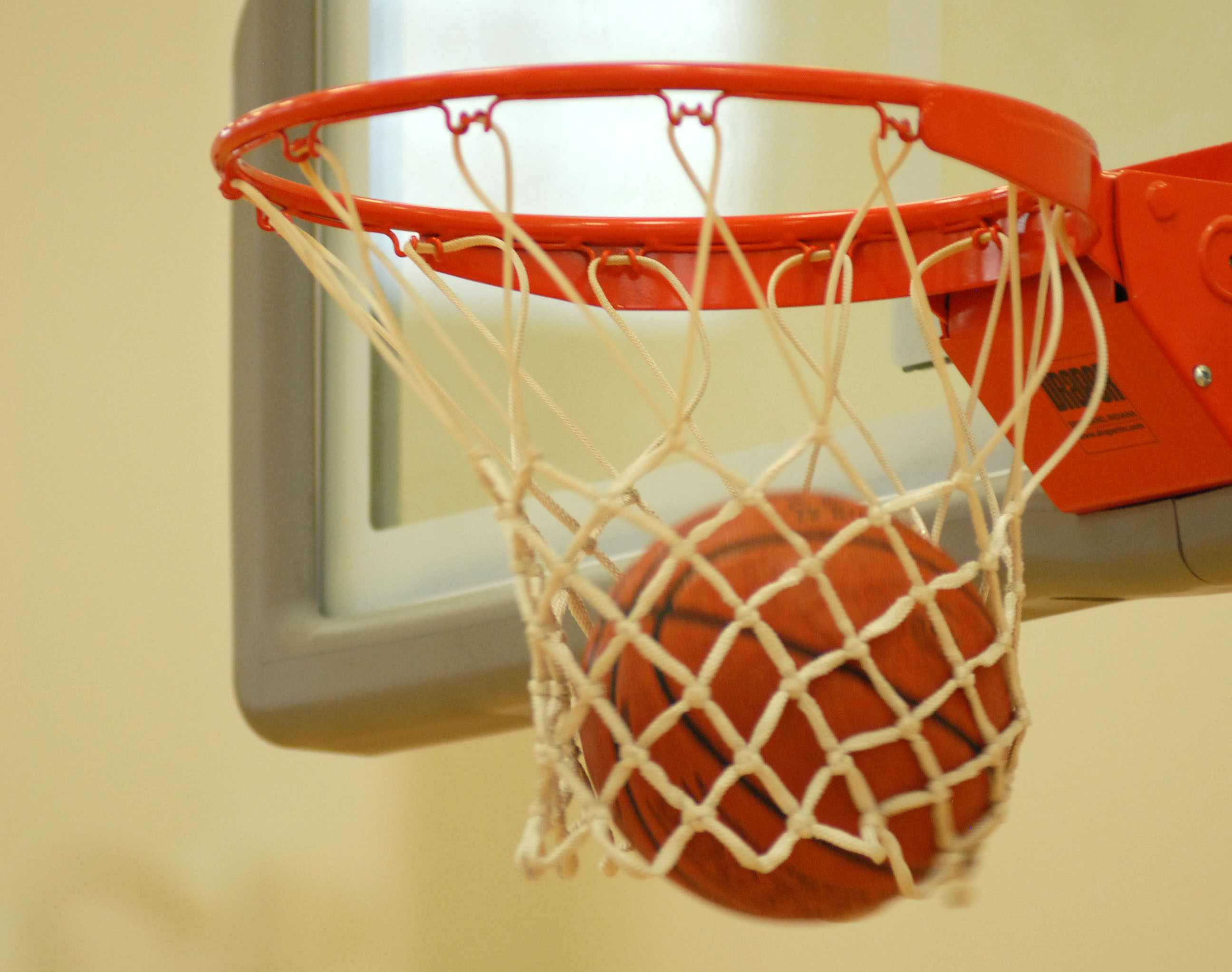
For the past few weeks in RLA, we have been working on writing our personal narratives. We learned about having DAT (Dialogue, Action, and Thinking), a clear "So What" that explains why the story is important to us, a good lead, and lots of detail. The area I grew most in while writing these personal narratives was writing a good "So What". Without further ado, here is my personal narrative, Maybe it Was a Good Thing.
I guessed that the double knot in my stomach meant a combination of excitement and nervousness. Mostly nervousness. That could be a good thing, I hoped internally.
The large crowd of people behind me roared. I spun around, grinned, and waved to all the people I knew. Most of them were just acquaintances. I knew my mom was in the back, and my friends were somewhere in the crowd. But I couldn’t see any of my closest friends.
There were butterflies in my stomach and I had no idea how I was going to do any of this.
The gym was just a loud room. The only thing I could hear was people cheering and chatting in the crowd. Kids were making up cheers for their friends, teachers and parents were getting their cameras ready; and here I was, sitting here being as nervous as I could be.
One of the PE teachers walked to the center of the gym, with a microphone in his hand. I turned back around and listened to what he had started to say.
“Welcome to the Basketball Shootout!” blared his voice from the speaker behind him. That rapidly made the crowd hush down.
“Thank you, everyone for being here to cheer on your friends, children, or just fellow students!” he paused. “All of us PE teachers are glad to be here and I’m sure our players are too,” he said, gesturing toward us. “Students will get 60 seconds to shoot today.”
Double the time of the semi-finals, I thought. That should be good, I reassured myself, remembering how well I had done then; making four 3-pointers, exactly according to plan. I hadn’t missed one shot. I was actually impressed with my own performance yesterday in the semi-finals. I hadn’t expected myself to do so well then. I knew I normally didn’t do as well as I wanted to in these types of things; where you have to prepare the whole week, then you have just one shot at it.
“The order for the players will be 3rd grade girls, 3rd grade boys, 4th grade girls, 4th grade boys, and the same with 5th grade,” the PE teacher continued.
Ok, I thought to myself. 2nd to last, not bad. That’ll give me some time to watch others and hopefully get rid of my nerves. I thought my nerves would die down, but I didn’t know how that would happen.
“But first, let’s congratulate our players for making it to here!” the PE teacher called out. The entire audience burst out into claps and cheers. I liked to be congratulated, but it did put a whole lot of pressure on me. I had to do well, I internally pressured myself. I had to do well.
“Let’s get started,” said the PE teacher, and handed the microphone to another PE teacher.
This PE teacher called out, “First: 3rd grade girls.”
As I watched different kids win, and get 3rd place, the exact opposite of what I hoped to happen happened. Not one bit of my nerves went away. I felt as if the butterflies in my stomach had turned to moths instead. Soon enough, my name was called out and I grabbed a basketball and went to the fraction of the gym I had been assigned to. I dribbled the ball from side to side, and took a practice shot. The ball hit the rim of the hoop and dropped back down.
Focus, I thought. But before I could take another practice shot, the teacher called, “On your marks..”
Oh no, I thought. I was not ready. But I had to be. What was worse was somehow all of my closest friends were at the inside of the barrier right behind me. They were cheering my name loudly: “Let’s go Kavya, let’s go!”
“Get set,” called the PE teacher.
The pressure was on.
“GO!”
The moment the whistle blew, I knew to stick to the strategy I had practiced this whole week: go for the 3-pointers. I ran over to the 3-pointer line and aimed, jumped, and shot. Missed it. I ran over to grab the ball, then returned to the 3-pointer line. I shot. Missed again. I was almost mad at myself, muttering, “Kavya, you practiced for this; focus. You have to do this.”
After missing another shot from the 3-pointer line, the words, Ok. I have to start making some 2-pointers, zipped through my head.
I shot the ball into the hoop from the 2-pointer line. I made it. Making this shot increased my confidence. I took a quick glance at the timer. 20 seconds left. I made another shot from the 2-pointer line. I made it. I knew I was low on time so I took a shot from the 1-pointer line and missed. Then, I made a quick 2-pointer.
I was down to the last 5 seconds.
I took a quick 1-pointer. Score.
Another 1-pointer. Score.
“3!” The audience yelled.
I can do this, I thought.
“2!” they cheered.
Another 1-pointer. Score.
One more…
“1!” I took the quickest shot I could. Missed. I sighed and wiped the sweat off of my forehead.
“9 points,” the PE teacher notified me. I already knew that I had gotten 3rd place, because I had scored 12 points in the semi-finals when I had only 30 seconds. My idea was confirmed when I asked the other girls what score they had gotten.
 At this point, I felt a mix of emotions. I felt regret. I somewhat felt I could have done better. I felt mad at myself that I got 3 points less in double the time as the semifinals. I was smiling in the joy of knowing I had made it till here, but my toe was squirming around in my shoe in some sort of regret. I guess you could say that I knew I should be happy for making it till here, but I didn’t really feel that happiness.
I went up to collect my certificate after they called my name. My body language showed that I was happy, and I did feel that way, but the regret still stung me.
But, as the crowd started to disperse, it hit me. Just like that. Within a few seconds, I understood. I had practiced for more than an hour every day of this week. I had played in front of this giant crowd, under so much pressure. I kept going after not scoring in the first 30 seconds. I had put so much effort into this, that it was almost unreasonable for me to regret any of it. And, sure I could’ve done better under the pressure, but that didn’t matter. It didn’t matter than I had gotten 3rd place. That is not going to make any difference in the long run.
One shootout is not going to define the best player. Making it till here is more than amazing for me.
By the time these thoughts were done whizzing through my head, I had friends patting my back, complimenting how I had played, and a big grin on my face.
My mom asked me, “You’re ok, right? Getting third place?” in a sort of awkward way.
“Yeah,” I nodded. “I’m alright.”
The one thing I had just learned was that it didn’t matter. It really didn’t matter.